
Bomba Dauda
Colleges of Education Academic Staff Union (COEASU), Gidan Waya Chapter, raised concerns on, what they described as “critical issues affecting Teacher Education and the Kaduna State College of Education, Gidan Waya.”
The statement is contained in a text of press statement issued by the union at a press conference in Kafanchan, Jema’a LGA of Kaduna State, yesterday.
THE PRESS STATEMENT, IN PART, READS:
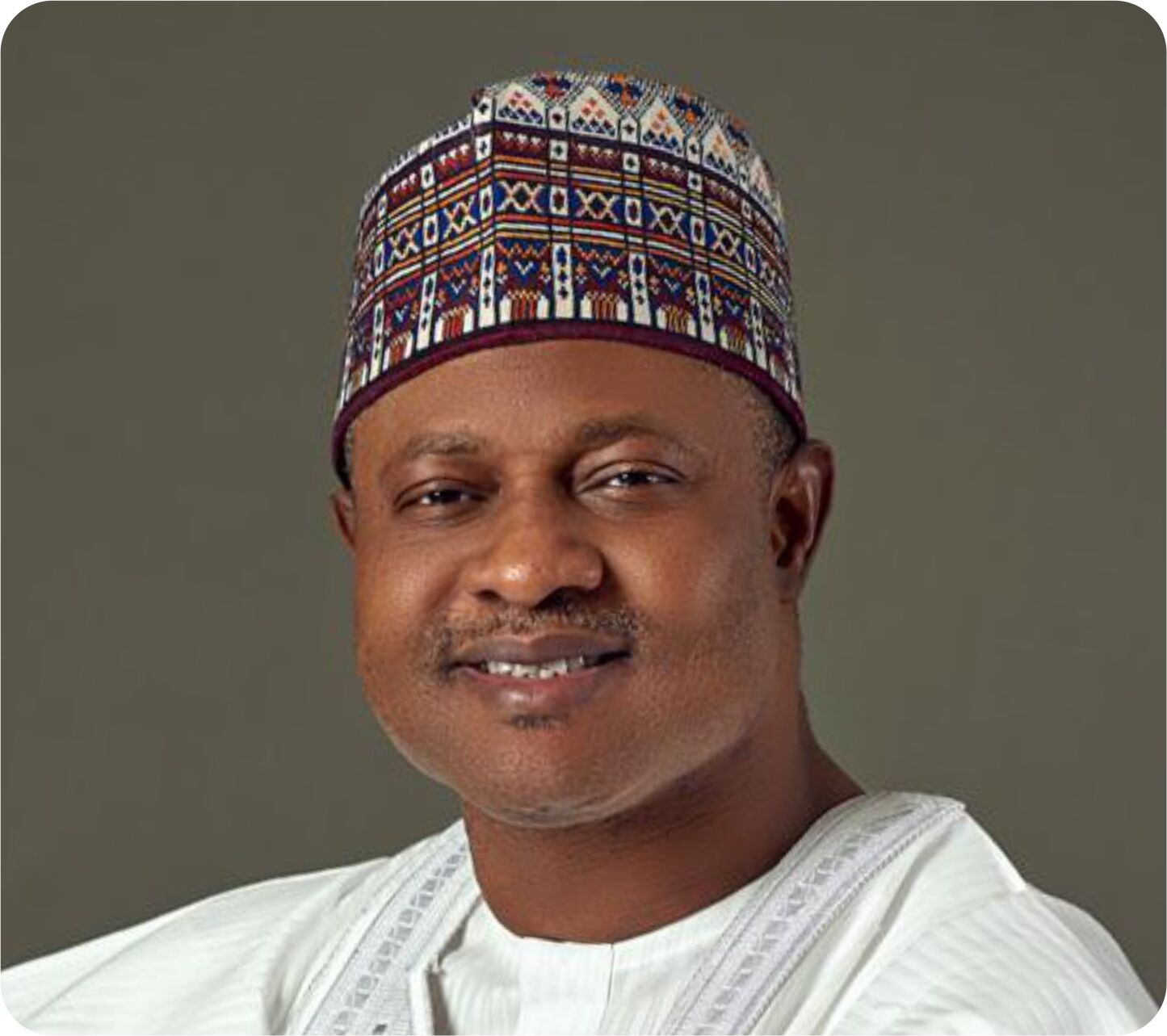
COEASU Gidan Waya Chapter issued the state to draw the attention of His Excellency, the Executive Governor of Kaduna State, Senator Uba Sani, to critical areas of concern that affect the implementation of teacher education curriculum in the College and the general running of the institution.
The Union hereby wishes to draw the attention of His Excellency to some of the lingering challenges confronting the efficient delivery of the College mandate of teacher training. Remuneration and the issue of Attrition/ Brain Drain:COEASU wishes to appeal to His Excellency to consider and approve the implementation of the current Salary Structure (CONPCASS/CONTEDISS) in the State owned Tertiary Institutions to arrest the ever-increasing cases of brain drain especially of Academic Staff of these Institutions.
It will interest His Excellency to note that Kaduna State owned Tertiary Institutions are the least paid in the country at the moment with the exception of the State University. The current Salary Structure (CONPCASS/CONTEDISS) being enjoyed by all Federal and State Colleges of Education and Polytechnics in Nigeria has been in operation for the past fourteen (14) years.
Regrettably, the staff of both Kaduna state College of Education and Nuhu Bamalli Polytechnic are paid with an obsolete mutilated 80% CONTISS Salary Structure. The College of Education in particular, has, over the years, had a very disturbing case of the attrition of very experienced and qualified Academic staff occasioned by the poor remuneration. Most of these staff leave the College for greener pasture no sooner than they obtained their PhD degrees.
The 65 Years Retirement Age Policy: The 65years retirement age policy was approved and implemented in all Tertiary Institutions in the country in other to retain highly qualified Academics to meet accreditation requirements of Departments and to mentor younger ones without conditions.
The Union is sad to inform His Excellency of the massive retirement of highly experienced individuals from the services of the College as a result of the stringent conditions attached to the 65years retirement age policy by the State Government. The conditions stipulate that for an Academic Staff to retire at 65 years of age, such a staff must have a PhD obtained on or before the age of fifty-five (55) years.
The attention of His Excellency is hereby drawn to the fact that the conditions so attached to this retirement age policy by the State Government is in contravention and gross violation of the provisions of Extant laws of the Kaduna State Colleges of Education as contained in the College law KD.S. Law No. 24 of 2018 article 6 of the Second Schedule which provides that the retirement age of Academic Staff of the College shall be 65 years without any condition.
Therefore, the Union wishes to passionately appeal to His Excellency to kindly remove such conditions and allow Academic Staff to retire at the age of 65 years without any condition whatsoever in line with the College Law 2018 as amended and the extant provisions of the Colleges of Education Regulations and Scheme of Service.
As we address the press today, a vast majority of those who have obtained their PhD’s have not met the stipulated conditions and hence would be compelled to retire at the age of 60. The Union is optimistic that, if this is done, the College will be salvaged from the risk of losing accreditation as a result of the massive exodus of highly experienced manpower from the College that would be needed during accreditation exercise as the College is now bottom thick and upper light. We have no doubt that His Excellency will act positively in this direction.
The Gidan Waya Consultancy Services:Furthermore, we wish to passionately appeal to His Excellency to direct for the reopening of the Gidan Waya Consultancy Unit that was closed down at the instance of the immediate past administration of the state. The Consultancy Unit of the College was set up in line with the provision of the Kaduna State College of Education Gidan Waya Regulations and Scheme of Service 2004 which empowers the institution to set up a business venture that could generate income for the College in order to augument the little received from the state government as monthly subvention.
The operation of a business venture in form of Consultancy Services is also necessary as it will enable the institution not to be solely dependent on funding by the state government in view of the paucity of funds available to state in the face of competing challenges begging for the attention of government. Funding Challenges in the CollegeMembers of the Press, distinguished ladies and gentlemen, there is no doubt that the College at present is grappling with the issue of inadequate funding. This is made worse by the non-remittance of the monthly subvention to the College by the Government. As we make this address, the last time the College received the monthly subvention was in February this year. COEASU regret to state that even if such subvention is paid as and when due, it would not meet up with the financial demands of the institution since it is a paltry sum.
We kindly request His Excellency to ensure prompt and consistent releases of the statutory subvention as well as look into the possibility for an upward review of the amount in order to meet up with current economic realities.The Union also wishes to passionately appeal to His Excellency to emulate the recent pragmatic disposition of the President Federal Republic of Nigeria, Bola Ahmed Tinubu for excluding all Federal Tertiary Institutions from the Integrated Personal Payment Information System (IPPIS) policy as well as the cancellation of the proposed deduction of forty percent (40%) Internally Generated Revenue (IGR) for all Federal tertiary institutions in Nigeria.
This was done with the view to ameliorating the funding challenges of these institutions and to enhance their efficient management. We are worried that if this is not replicated in the state tertiary institutions the quest to achieve the overall objectives of these institutions will remain a mirage. His Excellency may wish to know that the current school fees paid by students are chargeable fees meant for the provision of specified services such as conduct of examinations, purchase of science, technical and vocational education practicals equipment’s, sports equipment’s, provision of medicals services for students, field trips and excursions that are critical for effective teaching and learning. The current policy where the payment of school fees is made directly to Treasury Single Account (TSA) in the view of COEASU can no longer be sustained as these critical component of learning are no longer provided.