
By Bomba Dauda
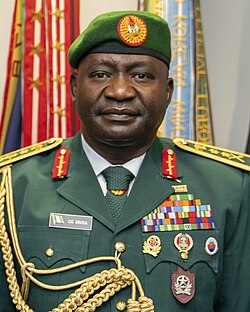
Insecurity remains a global challenge, and Nigeria is no exception. From insurgency to banditry and terrorism, non-state actors continue to wage war against the peace and stability of the nation. Yet, in the face of these daunting threats, Nigeria’s military leadership, under the stewardship of the Chief of Defense Staff (CDS), General Christopher Gwabin Musa, has shown resilience, innovation, and an unyielding commitment to restoring order.
General Musa, a battle-tested officer with decades of experience, assumed office at a time when the security landscape appeared increasingly complex. With a cocktail of threats—ranging from Boko Haram insurgents to armed bandits operating across various regions—the task ahead was formidable. Yet, under his leadership, the Nigerian Armed Forces have recorded commendable successes that signal a turning point in the nation’s long battle against insecurity.
One of the defining moments of his tenure came in the wake of the Yelwata massacre in Benue State. General Musa did not mince words. He openly condemned the presence of saboteurs within the security forces—individuals compromising their oath by leaking intelligence and providing logistical support to criminal groups. His bold stance sent a clear message: betrayal within the ranks will not be tolerated.
Despite limitations in manpower and resources, General Musa’s strategic approach—balancing kinetic (military force) and non-kinetic (dialogue, intelligence, and community engagement) methods—has drawn widespread commendation. Unlike the heavily militarized tactics of previous administrations, Musa’s tenure has adopted a more nuanced approach, one that considers the socio-political complexities of each conflict zone.
Under his watch, there has been a noticeable reduction in major terror attacks, particularly in the Northeast. Pockets of calm are returning to areas once under siege, and internally displaced persons are gradually finding pathways back to normalcy. These gains, while still fragile, are a testament to the renewed synergy between intelligence, combat operations, and civilian cooperation.
Many Nigerians and public affairs analysts also credit President Bola Ahmed Tinubu for providing the political will necessary to support security reforms. The President’s collaboration with General Musa has brought a sense of urgency and coordination to the counterterrorism strategy—something many observers believe was lacking in previous administrations.
Nevertheless, the road to a fully secure Nigeria remains long. Banditry, kidnapping, and farmer-herder clashes still plague parts of the country. But the signs of progress are evident, and for the first time in a long while, there is cautious optimism. As one analyst put it, “We may not be where we want to be yet, but we are certainly not where we used to be.”
General Christopher Gwabin Musa stands today not just as a military commander, but as a symbol of accountability, courage, and hope in Nigeria’s fight against the forces that threaten her unity. His mission is far from over, but his leadership has already carved a bold imprint on the nation’s security architecture.
Bomba Dauda Akau is a Kaduna-based Journalist/publisher of Gurara Magazine