
His Excellency, Senator Uba Sani
Governor, Kaduna State
Sir Kashim Ibrahim House
Kaduna State.
Your Excellency,
I write this open letter with deep concern over the alarming rate of charcoal production and indiscriminate logging currently taking place across Chikun and Kajuru Local Government Areas of Kaduna State. What may appear today as an ordinary rural economic activity is gradually evolving into a major environmental crisis with dangerous consequences for agriculture, climate stability, public health, biodiversity, and the future of our communities.
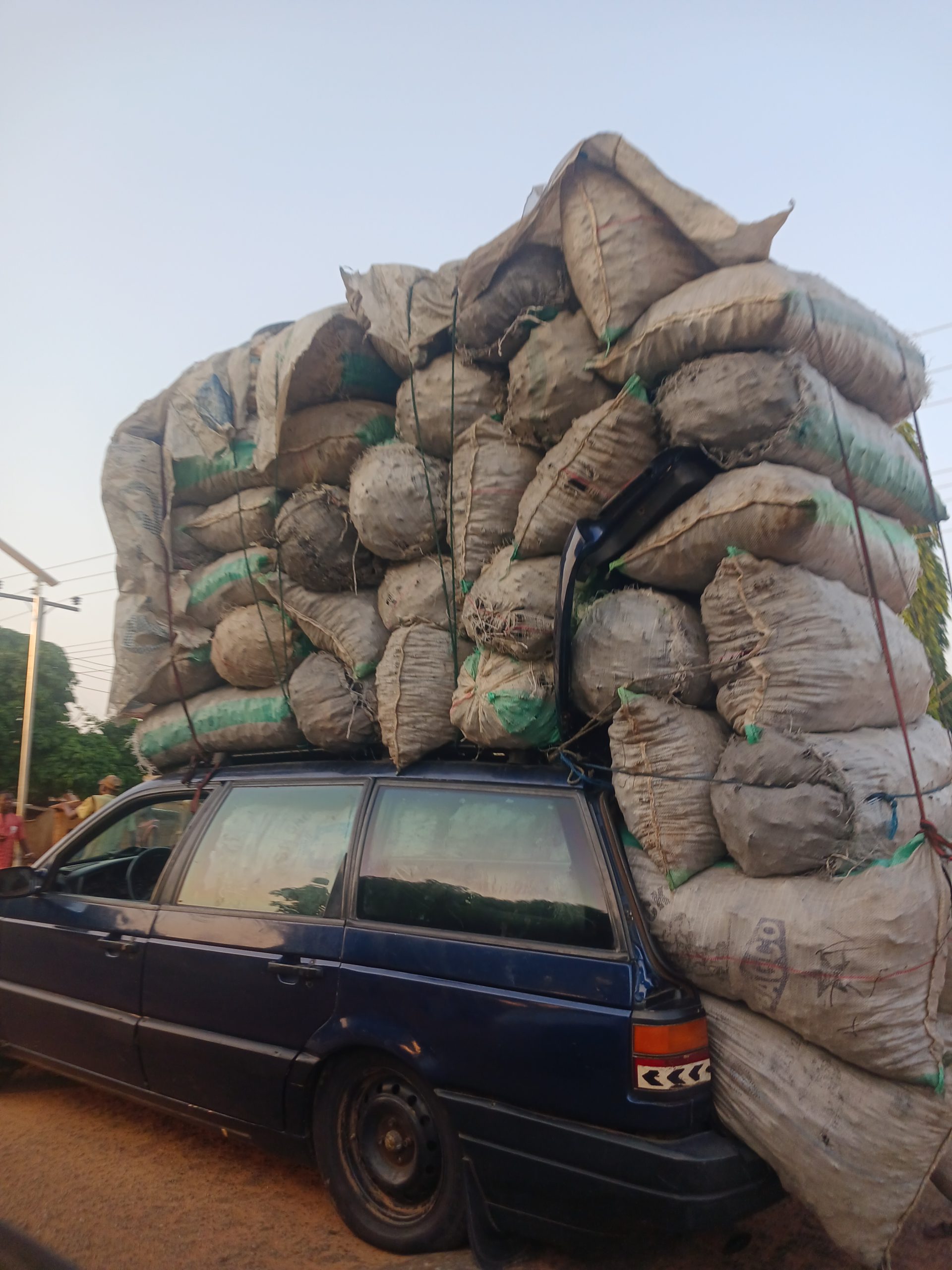
Across many villages in Chikun and Kajuru, trees are being felled daily in large numbers for charcoal production. Hardwood species that took decades to grow are being destroyed within hours and transported in trucks to different parts of the country. Forest vegetation that once protected our environment is steadily disappearing.
While many young people and rural dwellers depend on charcoal production for survival due to economic hardship and unemployment, the long-term environmental cost of this unchecked activity is devastating. The absence of strict regulation, sustainable forestry practices, and aggressive reforestation programmes has accelerated deforestation at a frightening pace.
Your Excellency, the environmental consequences are already visible.
Communities are experiencing increasing soil erosion, declining soil fertility, irregular rainfall patterns, rising temperatures, and drying water sources. Forest destruction is also threatening biodiversity and exposing local communities to the dangers of desertification and climate-related disasters.
Trees are not merely economic resources; they are natural protectors of life. They regulate climate conditions, preserve water sources, support agriculture, absorb harmful carbon emissions, and protect communities from environmental degradation. Once forests are destroyed beyond recovery, rebuilding them may take generations.
If the current trend continues unchecked, Kaduna State may face severe ecological consequences in the coming years, including:
Expansion of barren and degraded land.
Increased flooding and erosion during rainy seasons.
Reduced agricultural productivity and food insecurity.
Rising rural poverty as natural resources become exhausted.
Increased competition and conflict over land and forest resources.
Loss of biodiversity and extinction of valuable tree species.
Greater vulnerability to climate change and extreme weather conditions.
Your Excellency, this challenge also raises serious legal and policy concerns. Kaduna State forestry laws prohibit unauthorized tree felling and illegal logging activities. Nigeria’s Forestry Act, the NESREA Act of 2007, the Environmental Impact Assessment Act, and the Climate Change Act of 2021 all provide legal frameworks for environmental protection and sustainable resource management.
Furthermore, Nigeria is a signatory to several international environmental treaties, including the Paris Agreement on Climate Change, the United Nations Framework Convention on Climate Change (UNFCCC), the Convention on Biological Diversity (CBD), and the United Nations Convention to Combat Desertification (UNCCD). These agreements place obligations on governments at all levels to protect forests, reduce environmental degradation, and promote sustainable development.
In light of these realities, I respectfully urge your administration to take urgent and decisive action to address the growing environmental threat in Chikun and Kajuru LGAs.
The following measures may help mitigate the crisis:
Strengthen enforcement of forestry and environmental protection laws across affected communities.
Establish joint monitoring teams involving forestry officials, security agencies, traditional rulers, and community stakeholders to tackle illegal logging.
Launch aggressive tree planting and reforestation campaigns across Chikun, Kajuru, and other vulnerable areas.
Regulate charcoal transportation and commercial logging activities through permits and environmental compliance measures.
Promote alternative cooking energy sources such as gas and clean energy solutions to reduce dependence on charcoal.
Introduce economic empowerment and livelihood programmes for rural youths and families involved in charcoal production.
Increase public sensitization campaigns on environmental conservation and climate change.
Your Excellency, Kaduna State has long been recognized for its agricultural potential and environmental significance within Northern Nigeria. Protecting our forests today is not merely an environmental responsibility; it is an investment in the future survival, stability, and prosperity of our people.
History will remember leaders not only for roads and infrastructure, but also for the courage to protect natural resources and preserve the environment for future generations.
I trust that your administration, which has consistently demonstrated commitment to development and human welfare, will give this urgent matter the attention it deserves.
May Kaduna State continue to prosper in peace, sustainability, and progress.
Respectfully,
Signed: Bomba Dauda
For Journalism for Environmental Sustainability